AAAAAAAAAA
AAAAAAAAAAAAAAAAAAAAAAAAAAAAAA
AAAAAAAAAA
AAAAAAAAAA
AAAAAAAAAA
Every ingredient matters. That's why we explain each one in detail, exactly as they must be listed on the packaging. In accordance with the INCI standard: the International Nomenclature of Cosmetic Ingredients.

Unsere Linie besteht aus wenigen, sorgfältig entwickelten Produkten mit mehreren Wirkstoffen. Das macht die Hautpflege für Sie einfach und effektiv. Alle Produkte können frei kombiniert werden.
Lassen Sie sich beraten
Niacinamide are a form of Vitamin B3, also known as Nicotinamide. In the body, niacinamide is essential for numerous metabolic processes. Its positive effects on the skin are nearly undisputed. Niacinamide is anti-inflammatory, helps to even out skin tone, and promotes ceramide synthesis. This strengthens the skin barrier and supports overall skin health.
Niacinamide are a form of Vitamin B3, also known as Nicotinamide. In the body, niacinamide is essential for numerous metabolic processes. Its positive effects on the skin are nearly undisputed. Niacinamide is anti-inflammatory, helps to even out skin tone, and promotes ceramide synthesis. This strengthens the skin barrier and supports overall skin health.
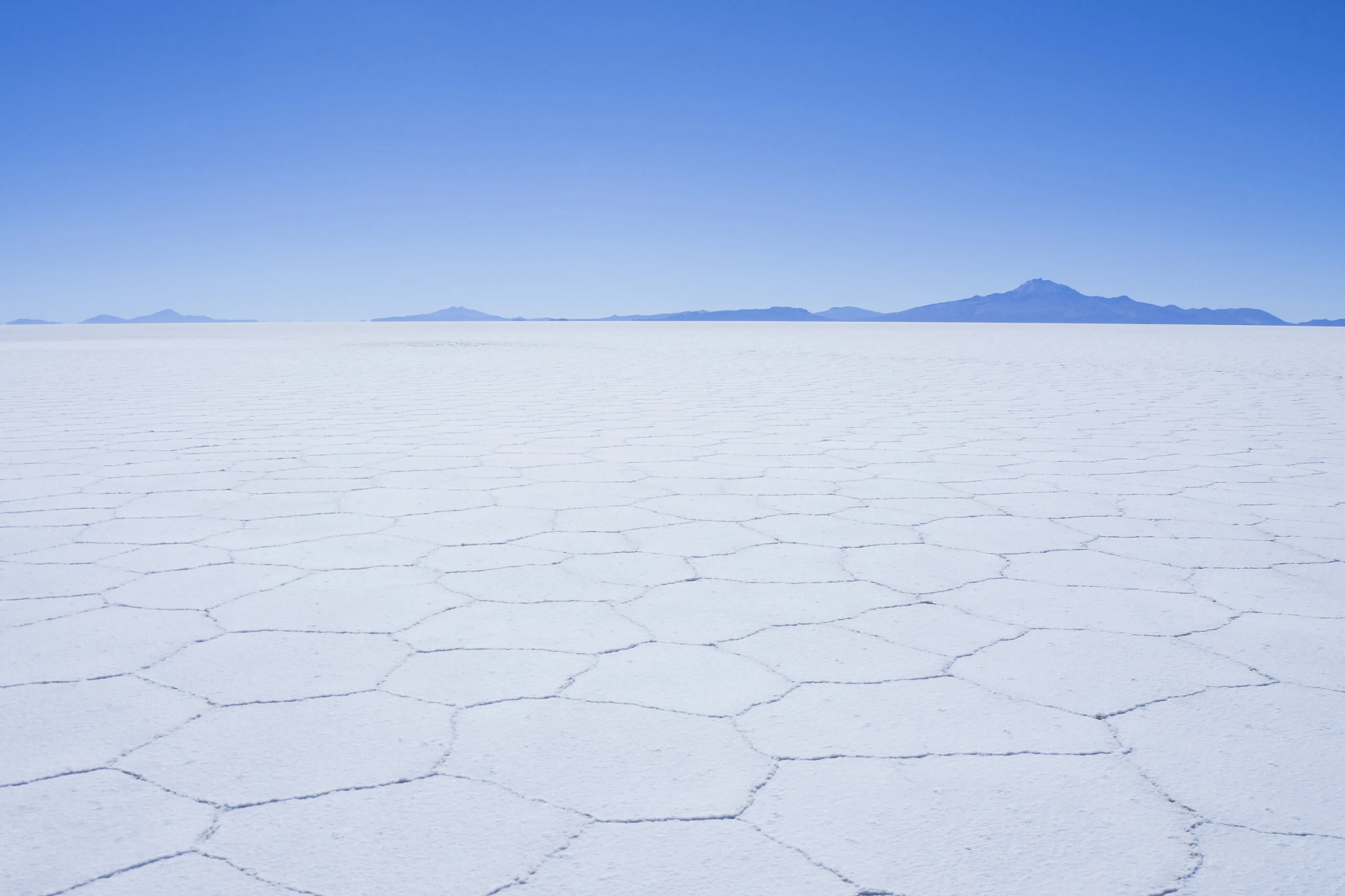
Ectoin is a molecule that helps plants survive under extreme conditions. In desert regions, it prevents water loss in plants. Similarly, on our skin, it forms a protective water layer, offering a wide range of benefits. It shields skin cells, proteins, and cell membranes from stress factors such as dryness, heat, cold, and UV radiation. Its intense moisturizing effect reduces inflammation and helps prevent wrinkle formation.
Ectoin is a molecule that helps plants survive under extreme conditions. In desert regions, it prevents water loss in plants. Similarly, on our skin, it forms a protective water layer, offering a wide range of benefits. It shields skin cells, proteins, and cell membranes from stress factors such as dryness, heat, cold, and UV radiation. Its intense moisturizing effect reduces inflammation and helps prevent wrinkle formation.
Retinol is a highly effective form of vitamin A, playing a crucial role in maintaining the skin's structure. The skin's outermost layer is composed of corneocytes (horn cells), and vitamin A promotes their formation while supporting the skin's regeneration process. This results in improved skin texture and visibly smoother skin.
Retinol is a highly effective form of vitamin A, playing a crucial role in maintaining the skin's structure. The skin's outermost layer is composed of corneocytes (horn cells), and vitamin A promotes their formation while supporting the skin's regeneration process. This results in improved skin texture and visibly smoother skin.
Retinal, also known as retinaldehyde, is one step further in the conversion process than pure retinol, making it significantly more effective. Despite its increased potency, it is gentler on the skin. As a general rule of thumb, 0.01% retinal is as potent as 0.1% retinol.
Retinal, also known as retinaldehyde, is one step further in the conversion process than pure retinol, making it significantly more effective. Despite its increased potency, it is gentler on the skin. As a general rule of thumb, 0.01% retinal is as potent as 0.1% retinol.
Find out more

Retinoic acid, also known as Tretinoin, is the most potent but also the most irritating form of vitamin A. Recently, esters of pure retinoic acid have gained attention in skincare. An ester is formed when retinoic acid is chemically bonded to another compound, making it less irritating. For example, retinoic acid can be esterified with hyaluronic acid (
INCI: Sodium Retinoyl Hyaluronate
), combining the benefits of both ingredients. Retinoic acid esters are particularly intriguing when used alongside retinol or retinal for enhanced skincare results.
Retinoic acid, also known as Tretinoin, is the most potent but also the most irritating form of vitamin A. Recently, esters of pure retinoic acid have gained attention in skincare. An ester is formed when retinoic acid is chemically bonded to another compound, making it less irritating. For example, retinoic acid can be esterified with hyaluronic acid (
INCI: Sodium Retinoyl Hyaluronate
), combining the benefits of both ingredients. Retinoic acid esters are particularly intriguing when used alongside retinol or retinal for enhanced skincare results.
Find out more

Epigallocatechin Gallate (EGCG) ist die Wirksubstanz des grünen Tees. Catechine sind Polyphenole, die zu den sekundären Pflanzenstoffen gehören. Ihre wichtigste Eigenschaft ist ihr antioxidatives Potenzial. EGCG neutralisiert freie Radikale und wirkt entzündungshemmend. Durch die Glucosidierung (also die Bindung an ein Zuckermolekül) wird es stabiler, besser formulierungstauglich und länger haltbar.
Epigallocatechin Gallate (EGCG) ist die Wirksubstanz des grünen Tees. Catechine sind Polyphenole, die zu den sekundären Pflanzenstoffen gehören. Ihre wichtigste Eigenschaft ist ihr antioxidatives Potenzial. EGCG neutralisiert freie Radikale und wirkt entzündungshemmend. Durch die Glucosidierung (also die Bindung an ein Zuckermolekül) wird es stabiler, besser formulierungstauglich und länger haltbar.
Purified water
Moisturizer with antimicrobial properties
Sanfter Feuchtigkeitsspender
Natural moisturizer
Vitamine B3
Feuchtigkeitsbooster
Natural moisturizer
Baustein jeder Zellmembran
Natural moisturizer
Protective moisturizer
Sanfter Emulgator
Provitamin B5 for improved skin health
Highly effective form of vitamin A
More potent than retinol
Retinoic acid esters with hyaluronic acid
Antioxidans aus grünem Tee
Strengthen the skin barrier and combat inflammation
Moisturizer
Vitamin E
Stabiles Vitamin E
Schlafhormon & starkes Antioxidans
Ceramid-Vorstufe
Feuchtigkeit & Stabilität
One of the 'good' fatty alcohols
Natural gelling agent.
Natural gelling agent
The salt of citric acid
Citric acid for the perfect pH balance.