A
A
AAA
AAAAAAAAAAAAAAA
AAAAAAAAA
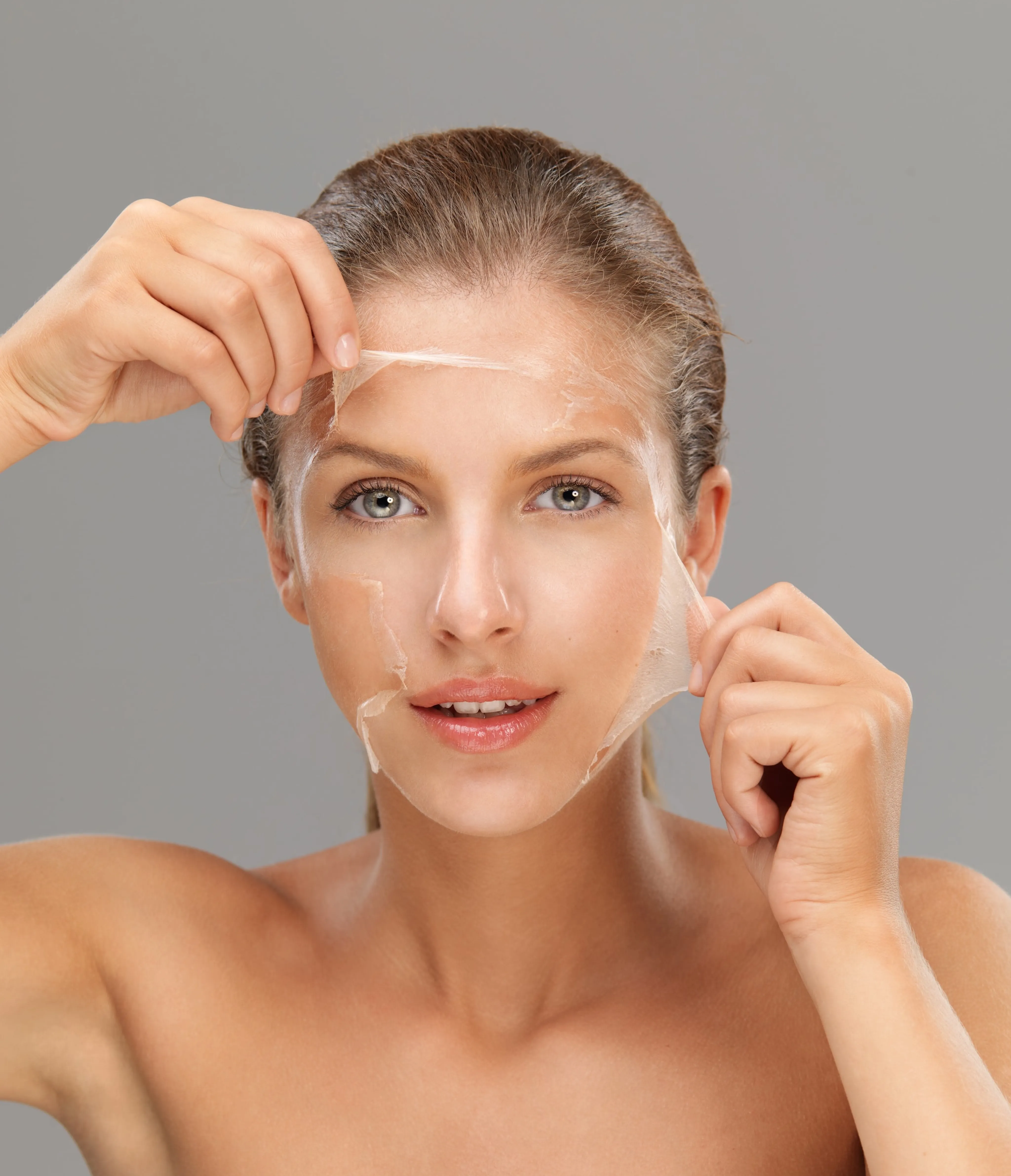
Today, it's rare to find a cream that does not contain silicones. Indeed, cosmetics with silicones feel very pleasant upon initial application. Their popularity is also boosted by the fact that this ingredient rarely causes allergic reactions. However, caution is advised! Everything may look smooth on the surface, but what is happening underneath? Silicones are not without controversy.

Robby Beyer
August 2024
What are Silicones?
Identifying Silicone Ingredients
How Do Silicones Work?
Silicones in Shampoo
Silicones: Good or Bad?
Silicones: Harmful to the Environment?
Natural Cosmetics Are Silicone-Free
Are There Alternatives to Silicones?
Conclusion
What are Silicones?
Silicones are a group of synthetic polymers—these plastics are manufactured in laboratories, often using petroleum as a base. Few substances seal as effectively as silicones, which explains their wide range of applications. They are used in everything from sealing joints to producing car paints and furniture polishes.
Silicones are also found in creams, makeup, and shampoos. In skincare, they serve as an oily component and can replace high-quality vegetable oils. In these products, they provide a matte finish.
Silicones are chemically inert, which means they rarely cause allergies and are generally well-tolerated. However, as substances foreign to the skin, they do not positively impact skin function. Additionally, they are difficult to degrade in the environment.
Identifying Silicone Ingredients
In cosmetic products, silicones can be recognized by ingredient names (INCI) ending in "-cone" or "-xane". There are various combinations with other substances, so a complete list of all silicones would be quite extensive.
The most common names are Dimethicone, Methicone, Polysiloxane, and Cyclomethicone. Here's a rule of thumb: the higher up an ingredient is listed, the greater its concentration. In our Skin Cream+, this substance is not found: it's 100% silicone-free.
How Do Silicones Work?
Upon initial application, silicone-containing creams make the skin feel smooth. Silicones create a soft-focus effect and act as an optical wrinkle filler. These short-term effects last only until the next wash.
Moreover, silicone oils seal off our skin, acting occlusively. This can have benefits, as it reduces moisture loss from the skin. However, there are also downsides to having sealed skin. For instance, it can contribute to breakouts and acne.

Silicones in Shampoo
Silicones are commonly used in shampoos and hair care products. They coat the hair, making it feel smooth and manageable.
However, they are often criticized for accumulating in the hair—a phenomenon known as the build-up effect. This can prevent other nourishing ingredients from penetrating the hair. That's why our entire family recently switched to silicone-free shampoos. After a brief adjustment period, we are very pleased with the results.
Silicones: Good or Bad?
Silicones are not inherently harmful to the skin. As substances foreign to the skin, they do not trigger allergies or irritation. Once washed off, the skin returns to its previous state.
However, this is precisely where the problem lies. Silicones replace high-quality vegetable oils, providing a cost-effective alternative for the industry.
Vegetable oils, on the other hand, can strengthen the skin, act as antioxidants, and have anti-inflammatory effects. That's why we develop only silicone-free creams. Healthy, beautiful skin should be built and nourished over time with natural oils and skin-compatible ingredients.
Silicones: Harmful to the Environment?
Another critical issue is the environmental impact of silicones. As synthetic products, they are difficult to break down in nature. However, through the use of cosmetics, shampoos, and other products, vast amounts of silicones are flushed into our wastewater and, consequently, into the environment. We take a firm stand against this!
Natural Cosmetics Are Silicone-Free
Natural cosmetics steer clear of synthetic oils, making silicones a no-go for authentic natural cosmetic producers. Also worth noting, mineral oils, which can substitute natural oils, are also synthetic and thus not used in natural cosmetics.
Are There Alternatives to Silicones?
While plant oils offer numerous benefits over silicone oils, they seldom provide the same smoothness. However, natural alternatives do exist.
One such option is squalane, a natural component found in the outer layer of our skin. This oil can effectively replace silicones in creams, delivering a similar silky feel.
Neutral oil is another excellent alternative that serves as a great base for creams. It's lightweight, highly compatible with the skin, and effective at delivering active ingredients deep into the skin layers.
Conclusion
A good cream should support the skin in its natural renewal process, something silicones fail to do. If you want to maintain your skin's radiant appearance in the long term, consider eliminating silicones from your daily skincare routine.
Fortunately, there are increasingly more silicone-free products available. Silicone-free shampoos, for instance, are now readily accessible in drugstores. Besides silicones, it's also wise to avoid mineral oils, which can seal off your skin barrier and negatively impact skin health.
In our Hautcreme+, we take it a step further by excluding any ingredients that do not positively affect the skin.
This article was updated in
September 2017
.
Sources
Silicones seal off the surface of the skin. In contrast, natural oils nourish the stratum corneum and do not completely seal our skin.
